

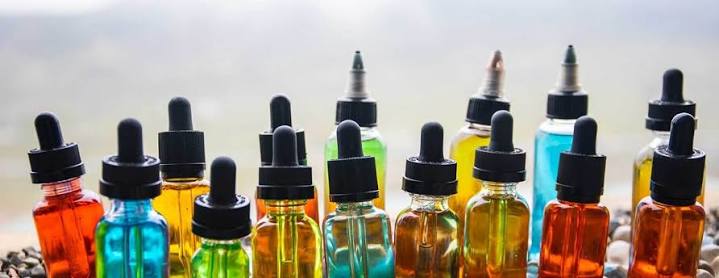
Vapes work by heating a specially formulated liquid and turning it into an aerosol that the user inhales. This liquid is commonly called vape juice, e-liquid, or vape liquid. It is found in many types of vaping products, including refillable pod systems, disposable vapes, and high-puff devices such as Tornado Vape products.
But what exactly is inside vape liquid? Is it simply flavored water, or does it contain other ingredients? The answer is more interesting than many people expect. Most e-liquids contain a combination of propylene glycol (PG), vegetable glycerin (VG), flavorings, and, depending on the product, nicotine.
This article explains what vape liquid is made from, how each ingredient works, and how liquids can differ between different vape products.
What Is Vape Liquid?
Vape liquid is a mixture designed to be heated by a vape device. When the device is activated, its heating coil warms the liquid and produces an aerosol.
Unlike traditional cigarettes, which burn tobacco, most vapes do not use burning tobacco. Instead, they use a battery-powered heating system.
The basic ingredients commonly found in e-liquid are:
- Propylene glycol (PG)
- Vegetable glycerin (VG)
- Flavorings
- Nicotine, when included
- Other ingredients in some formulations
The exact formula can vary depending on the manufacturer, product type, nicotine strength, and flavor.
What Is Propylene Glycol (PG)?
Propylene glycol, usually called PG, is one of the main ingredients used in many e-liquids. It is a clear liquid with relatively little flavor or smell.
In vape liquid, PG is useful because it can carry flavor effectively. It also produces a relatively lighter aerosol compared with vegetable glycerin.
Some people notice a stronger sensation in the throat when using liquids with a higher PG content. This sensation is sometimes referred to as a throat hit.
PG is also used in various other consumer and industrial applications, but its presence in a vape liquid does not mean that every PG-containing product is suitable for inhalation. Vape formulations are specifically designed and marketed for vaping, and inhalation can carry health risks.
What Is Vegetable Glycerin (VG)?
Vegetable glycerin, commonly abbreviated as VG, is another major component of e-liquid.
VG is a thicker, slightly sweet liquid. In vaping products, it is mainly used to create a larger amount of visible aerosol.
E-liquids with a higher VG proportion generally produce thicker clouds than liquids with a higher PG proportion.
VG is also used in many food, cosmetic, and pharmaceutical applications. However, the fact that an ingredient is used in food or cosmetics does not automatically establish that inhaling it is harmless.
Why Are PG and VG Mixed Together?
PG and VG have different properties, so manufacturers often combine them.
For example, a particular e-liquid might use a mixture that balances:
- Flavor delivery
- Aerosol production
- Liquid thickness
- Throat sensation
- Device compatibility
A thinner liquid with more PG can behave differently in a device than a thicker liquid containing more VG.
This is particularly relevant because vape devices use different types of coils and liquid delivery systems. A liquid designed for one type of device may not perform the same way in another.
What Gives Vape Liquid Its Flavor?
The flavor of an e-liquid generally comes from flavoring compounds.
Manufacturers can combine different flavoring ingredients to create profiles such as:
- Fruit
- Mint
- Menthol
- Candy
- Dessert
- Beverage
- Tobacco
- Mixed fruit
For example, a product could combine watermelon and strawberry flavors to create a fruit profile.
The flavoring ingredients used in e-liquids are formulated for the intended product, but it is important not to assume that a flavoring is safe to inhale simply because it is considered suitable for use in food.
Heating can also change chemicals, potentially creating additional compounds. The composition of the aerosol can therefore differ from the original liquid.
Does Vape Liquid Always Contain Nicotine?
No. Some vape liquids contain nicotine, while others are sold without nicotine.
When nicotine is present, the amount can vary significantly between products. Nicotine may be listed as a concentration or strength on the packaging.
Disposable vape products can also have nicotine included in their formulation. This means users should check the product label rather than assuming that a particular vape contains either zero or high nicotine.
Nicotine is an addictive substance. People who do not already use nicotine products should be aware that starting to vape can lead to nicotine dependence.
What Is Nicotine Salt?
Some modern vape products use nicotine salts, often called nic salts.
Nicotine salts are made using nicotine combined with an acid, commonly benzoic acid or another suitable acid. This changes the chemical characteristics of the nicotine formulation.
Nicotine salt formulations are often used in pod systems and disposable products because they can allow relatively high nicotine concentrations while producing a smoother sensation than some traditional freebase nicotine formulations.
The presence of nicotine salt does not make a vape harmless. Nicotine remains addictive regardless of whether it is supplied as freebase nicotine or nicotine salt.
What Liquid Is Used in a Tornado Vape?
Tornado Vape is a name associated with disposable and high-puff vaping products. The exact liquid used depends on the particular Tornado product and version.
A typical nicotine-containing disposable vape may use a formulation based on:
PG + VG + flavoring + nicotine
However, the precise ingredients, nicotine concentration, and PG/VG ratio should be checked on the packaging or manufacturer’s product information for the specific Tornado Vape model.
Different Tornado products can have different specifications, so it is not accurate to assume that every product under the Tornado name contains exactly the same liquid.
If a Tornado Vape is labeled as nicotine-free, its formulation may contain the base liquid and flavoring without nicotine. If it contains nicotine, the label should provide information about the nicotine strength.
Is Vape Liquid Just Water?
No. Vape liquid is generally not simply water.
Although some formulations can contain small amounts of water or other ingredients, the primary base is usually PG, VG, or a combination of both.
When a vape is used, the device heats the liquid rather than simply boiling water. The resulting aerosol contains substances originating from the e-liquid and, depending on the device and operating conditions, compounds produced or changed during heating.
This is why calling vape aerosol simply “water vapor” is misleading.
What Happens to Vape Liquid When It Is Heated?
Inside a vape, a battery supplies power to a heating element or coil. The coil heats the e-liquid delivered to it by a wick or similar liquid-delivery system.
The heated liquid becomes an aerosol made up of tiny droplets and other substances.
The composition of this aerosol can depend on several factors, including:
- Liquid ingredients
- Nicotine concentration
- Flavoring chemicals
- Coil temperature
- Device power
- Coil condition
- How frequently the device is used
As a result, the material inhaled from a vape is not necessarily identical to the liquid that was originally inside the device.
Why Does Vape Liquid Become Darker?
Some e-liquids can change color during storage or use. Several factors can contribute to this change.
Nicotine can oxidize when exposed to oxygen, light, or heat, potentially causing the liquid to become darker. Certain flavorings can also contribute to color changes.
In a refillable device, the liquid may become darker after repeated use because of exposure to the heating coil and residual material.
A change in color does not provide enough information to determine whether a liquid is safe or unsafe. If a product looks unusual, smells different, is leaking, or appears contaminated, it is better not to use it.
Does the Type of Liquid Affect Vape Clouds?
Yes. The composition of the liquid can influence the amount and appearance of aerosol produced.
VG is generally associated with larger, denser clouds, while PG tends to produce a lighter aerosol and can carry flavor effectively.
The device itself is also important. A powerful device with a suitable coil can produce substantially more aerosol than a small low-power pod using the same liquid.
Therefore, cloud size cannot be determined from the liquid alone.
Can You Put Any Liquid in a Vape?
No. Vape devices should only be used with liquids designed for the particular device.
Household liquids, oils, essential oils, alcoholic drinks, water, or other substances should not be substituted for e-liquid unless the device and manufacturer specifically state that a particular formulation is appropriate.
Using an unsuitable liquid can damage the device and may expose the user to unexpected chemicals when the substance is heated.
This is especially important for disposable vapes because they are generally designed around a specific liquid formulation and heating system.
What Is the Difference Between E-Liquid and Vape Juice?
In everyday use, e-liquid, vape juice, and vape liquid generally refer to the same type of product.
The terminology can vary by country, manufacturer, and vaping community, but there is usually no major technical difference between these terms.
The important information is the actual formulation, nicotine concentration, flavor, and product specifications.
Is Vape Liquid Safe?
Vaping is not risk-free.
Although e-cigarettes generally do not involve burning tobacco, vape aerosol can contain nicotine and other potentially harmful substances. Nicotine is addictive, and vaping can expose the lungs and body to chemicals that would not otherwise be inhaled.
The risks can vary depending on the product, ingredients, device, frequency of use, and individual circumstances.
People who do not use tobacco or nicotine products generally have no health reason to start vaping. Young people, pregnant people, and people who have never used nicotine should be particularly cautious about nicotine-containing products.
Frequently Asked Questions
What is the main liquid in a vape?
The main liquid base is usually a combination of propylene glycol (PG) and vegetable glycerin (VG). Flavorings and, in many products, nicotine are added to the base.
Does every vape contain nicotine?
No. Some vapes are marketed as nicotine-free, while others contain nicotine. Always check the product packaging for the stated nicotine content.
What liquid is in a Tornado Vape?
The exact formulation depends on the specific Tornado Vape model. Many nicotine-containing disposable products use a PG/VG base, flavorings, and nicotine, but the precise ingredients and nicotine strength should be checked on the product label.
Is vape liquid the same as water vapor?
No. Vape aerosol is not simply water vapor. It is produced by heating e-liquid and can contain various substances from the liquid and compounds formed during heating.
What are PG and VG?
PG stands for propylene glycol, while VG stands for vegetable glycerin. Both are commonly used as the base liquids in e-cigarette liquids.
Final Thoughts
Vape liquid is a specially formulated mixture that usually contains propylene glycol, vegetable glycerin, flavorings, and sometimes nicotine. These ingredients work together to create the liquid that a vape device heats into an aerosol.
Products such as Tornado Vape can contain different formulations depending on the model and flavor, so checking the specific product label is important when you want to know exactly what is inside.
Understanding the liquid in a vape can also help explain differences in flavor, aerosol production, nicotine strength, and device performance. However, ingredients that are suitable for certain other uses are not automatically proven safe to inhale, and vaping carries health risks, particularly when nicotine is involved.
